Our Projects
Four programmes, one goal: a healthy Lake Ol’Bolossat and a thriving watershed. Each is built together with the communities of Nyandarua County.
1. Kirima–Muruai Reforestation
Working alongside the Kenya Forest Service and neighbouring communities, this programme restores degraded forest landscapes across the Kirima and Muruai blocks using indigenous tree species suited to the local highland ecosystem. It is the backbone of our watershed-protection work: healthy forest cover on these slopes is what slows runoff, holds soil in place, and keeps the rivers that feed Lake Ol’Bolossat flowing steadily through the dry season.
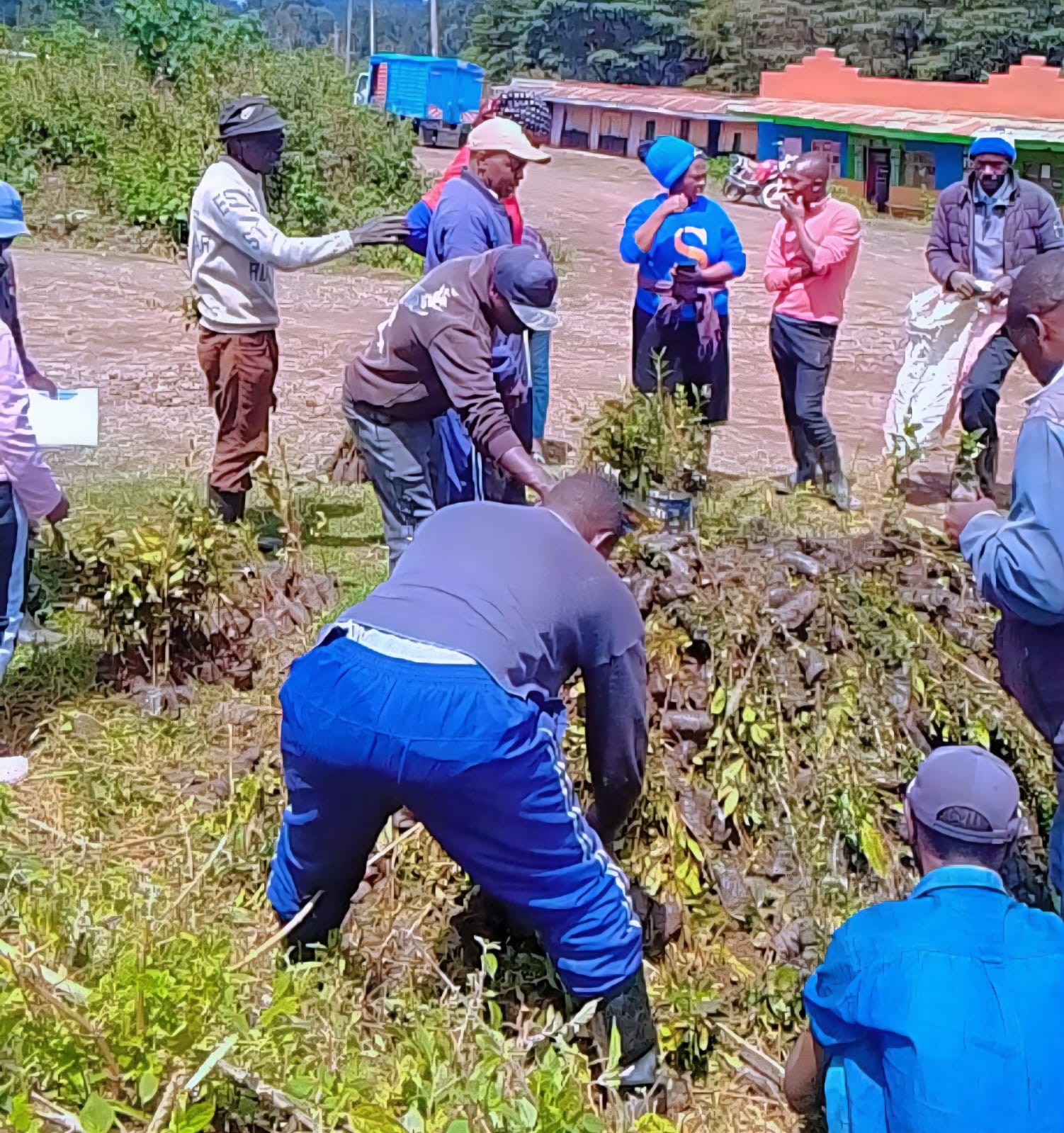
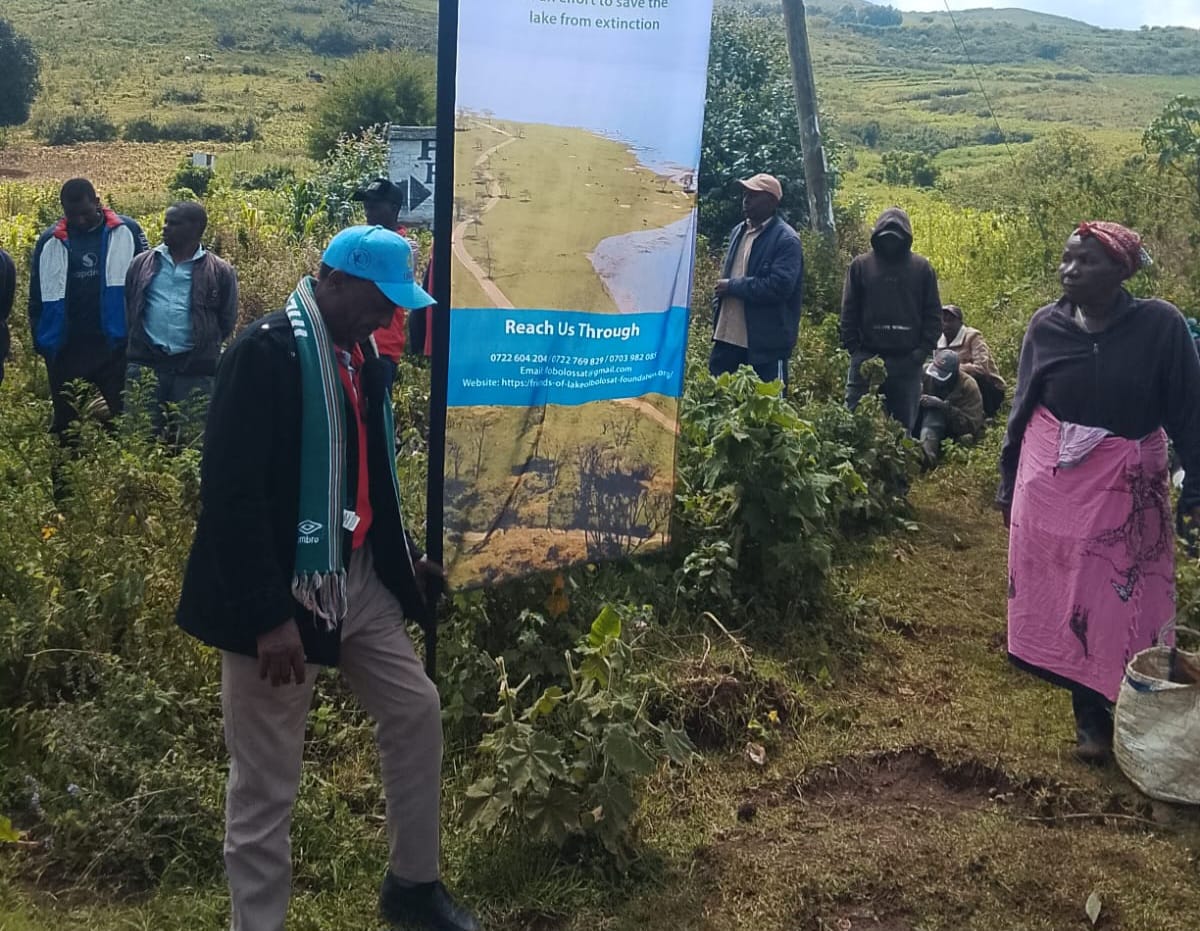
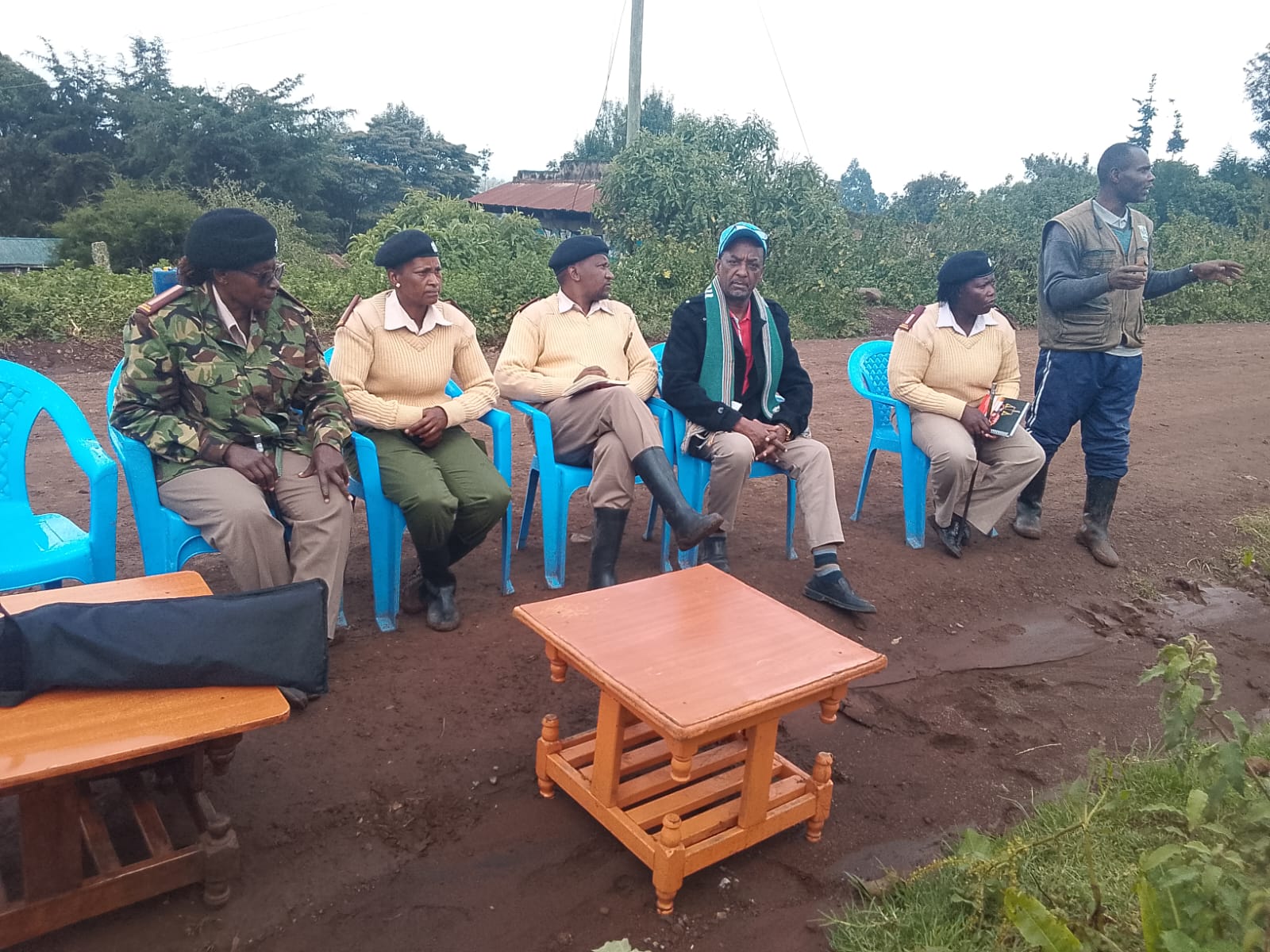
- Community-led planting of indigenous species selected for the local climate and soil conditions
- Joint forest patrols and monitoring carried out with Community Forest Associations (CFAs)
- Long-term site protection, including fencing and fire-break maintenance, to allow natural forest regeneration
- Coordination with the Kenya Forest Service on site selection, species mix, and boundary enforcement
2. Community Tree Nurseries
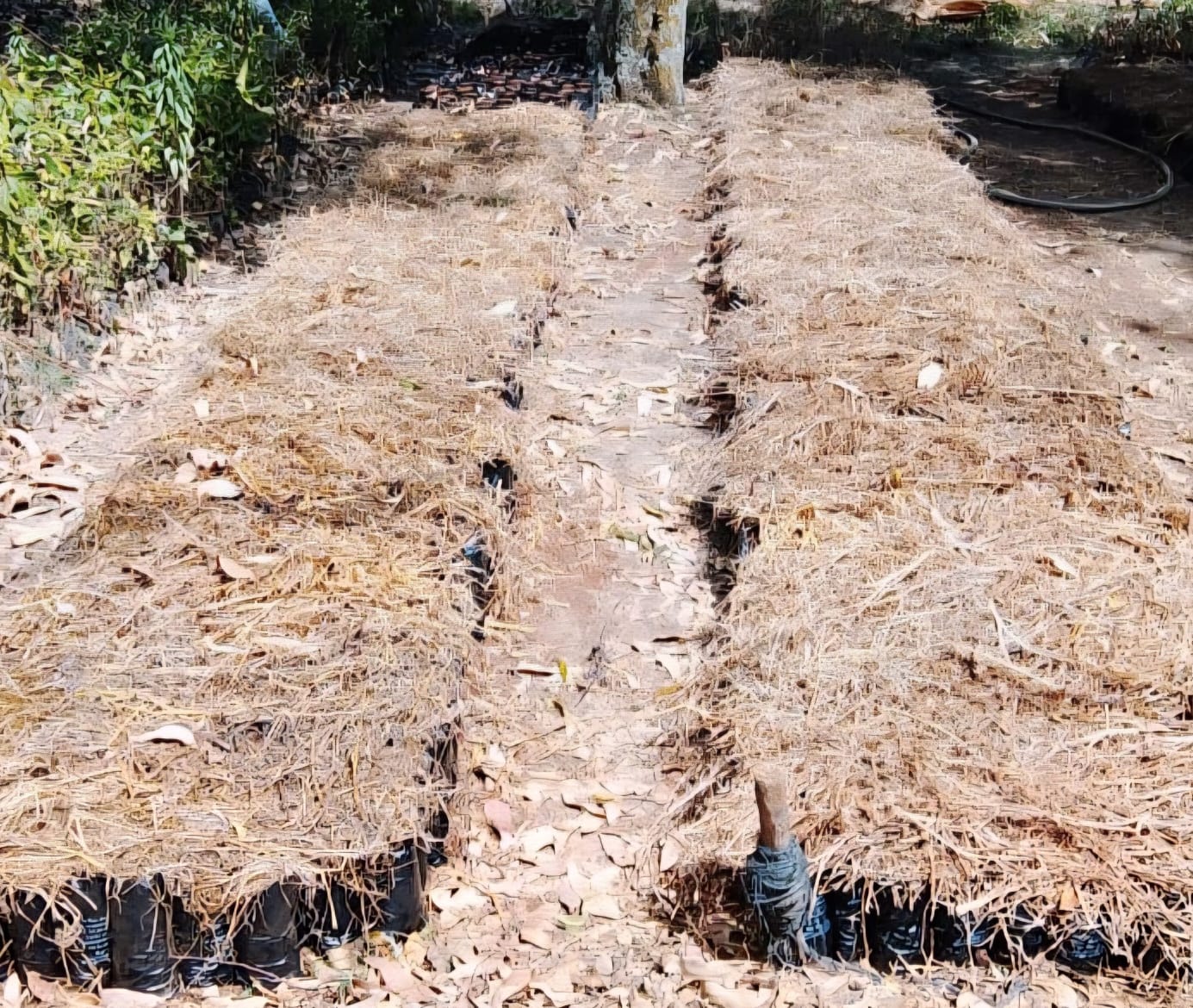
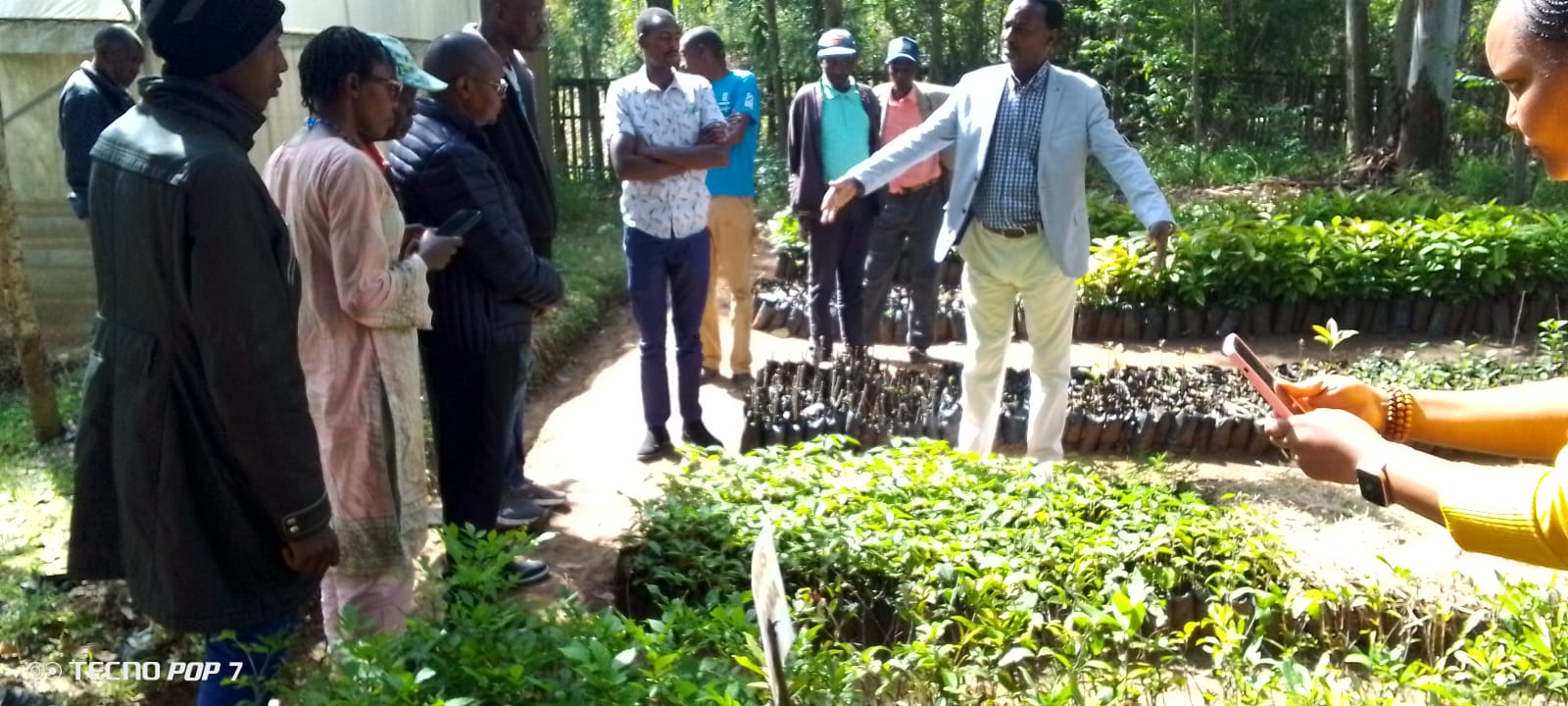
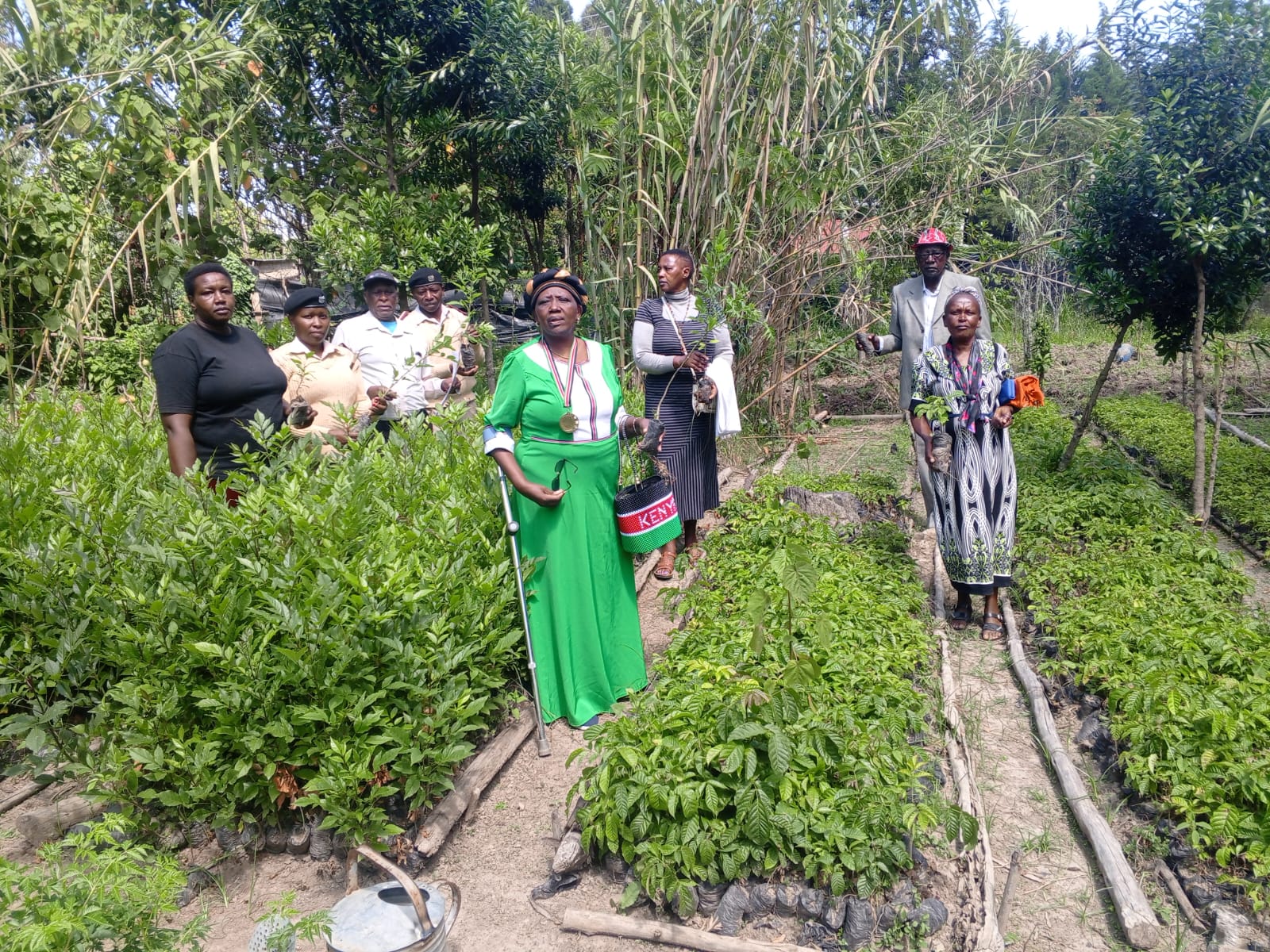
Our two community-run nurseries raise both indigenous and commercial tree species, creating a steady, local supply of quality seedlings for the wider watershed. Rather than trucking seedlings in from outside the area, we grow what the landscape needs close to where it will be planted. This keeps costs down, improves survival rates, and gives community members a direct stake in the restoration effort.
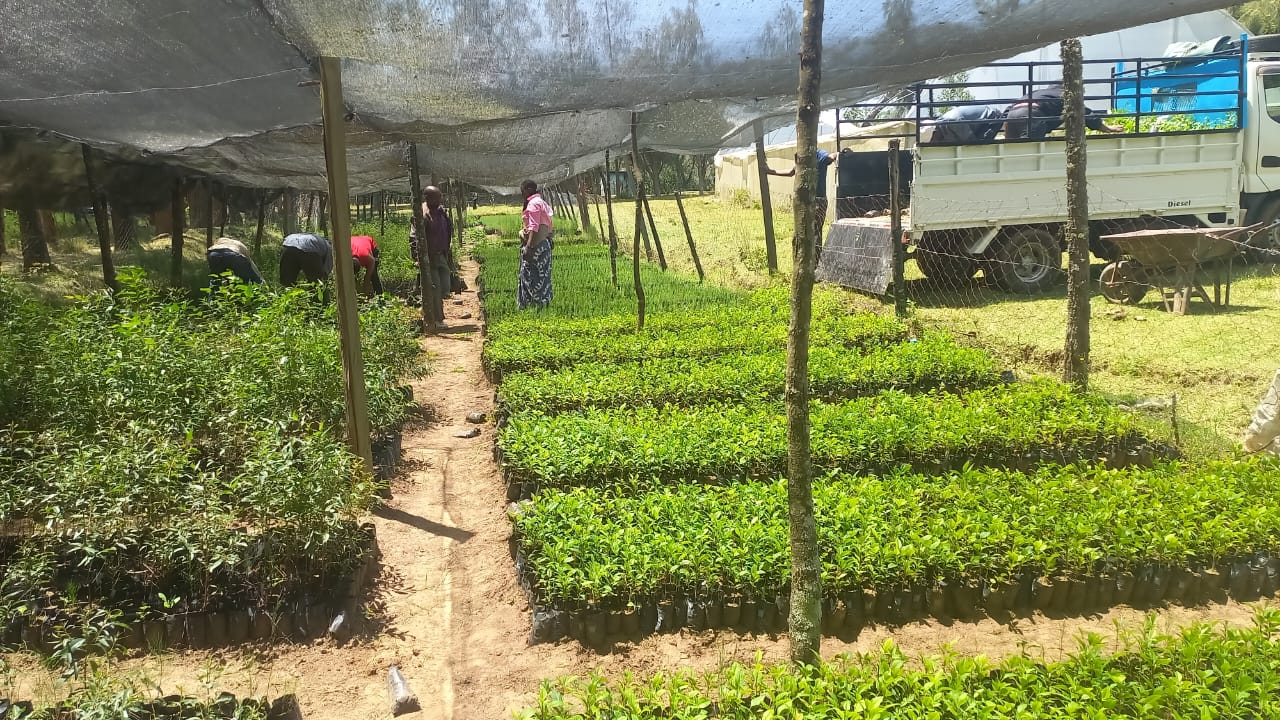
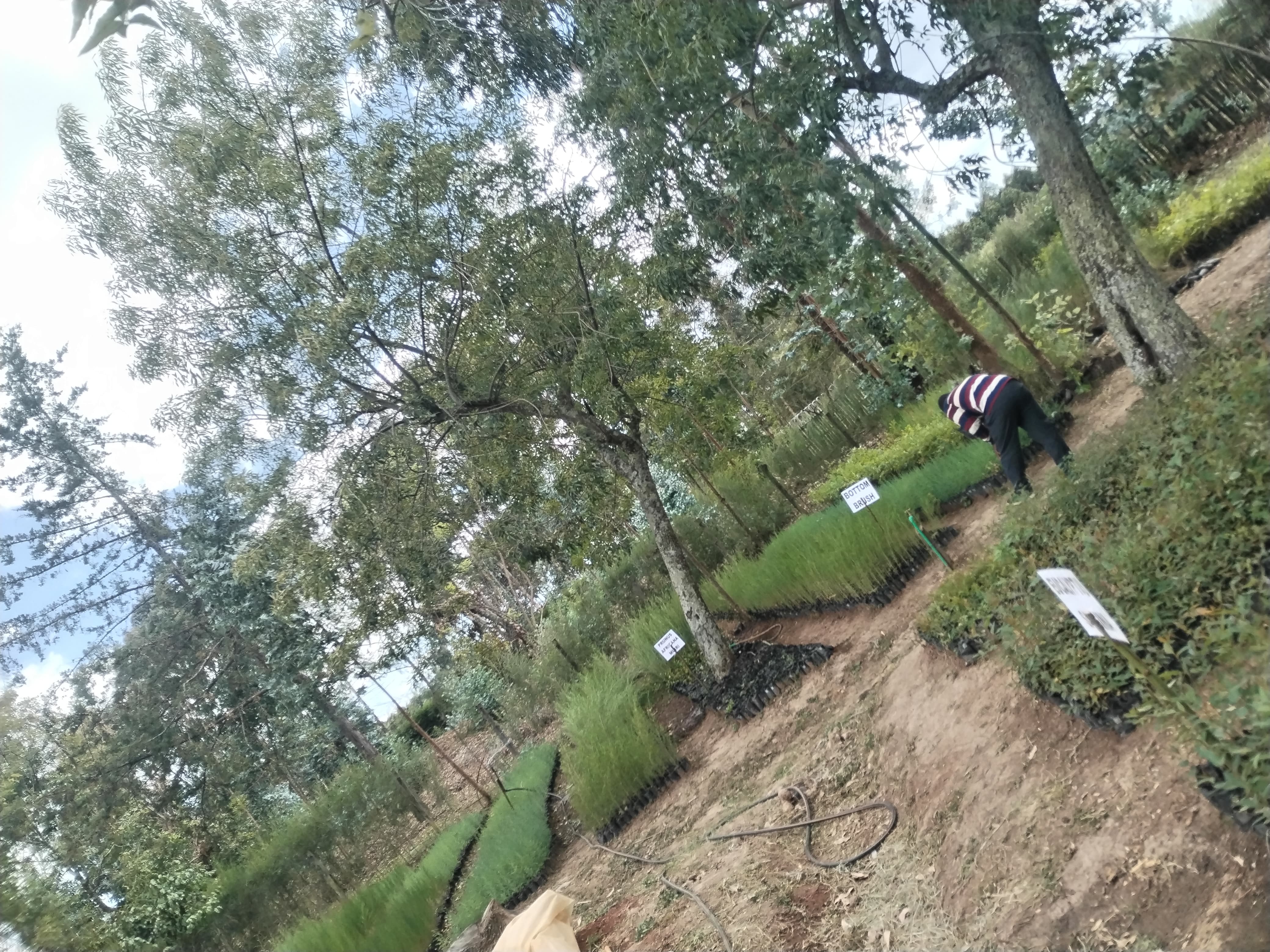
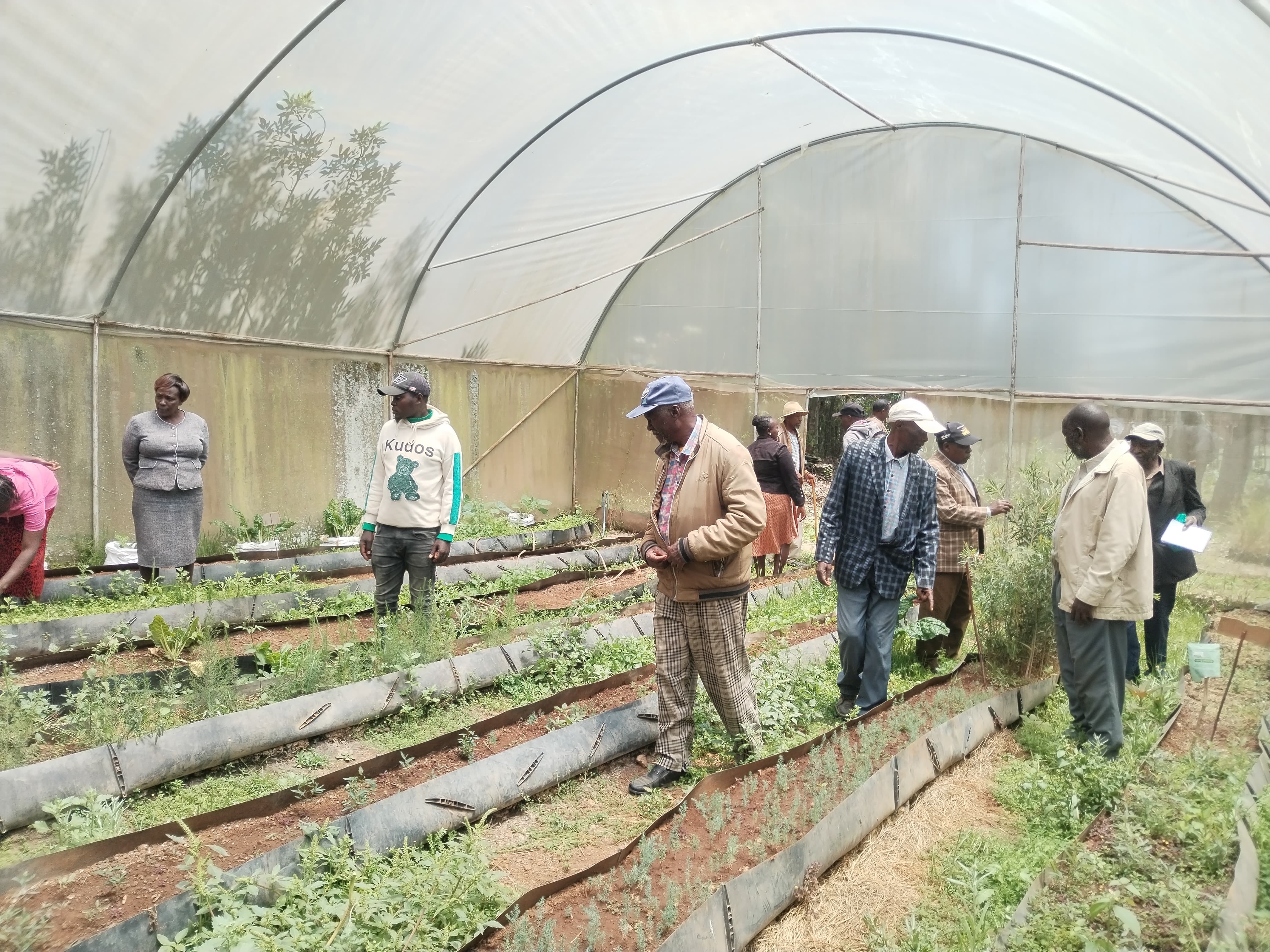
- Seedlings raised for schools, churches, individual farmers, and our own reforestation and fruit-tree programmes
- Nursery management training, tools, and income opportunities for the local caretakers who run each site
- Species selection guided by what the watershed actually needs, from indigenous hardwoods to grafted fruit stock
- A reliable seedling pipeline that keeps our restoration work going year-round, not just during planting season
3. Happy Valley Fruit Tree Project
This programme puts grafted fruit trees (avocado, apple, plum, and pear) directly into the hands of farming households across the Happy Valley area. It’s a deliberately practical piece of our conservation strategy: when a household has a reliable, tree-based source of food and income, there’s far less pressure on them to clear natural forest for short-term farmland or fuel.
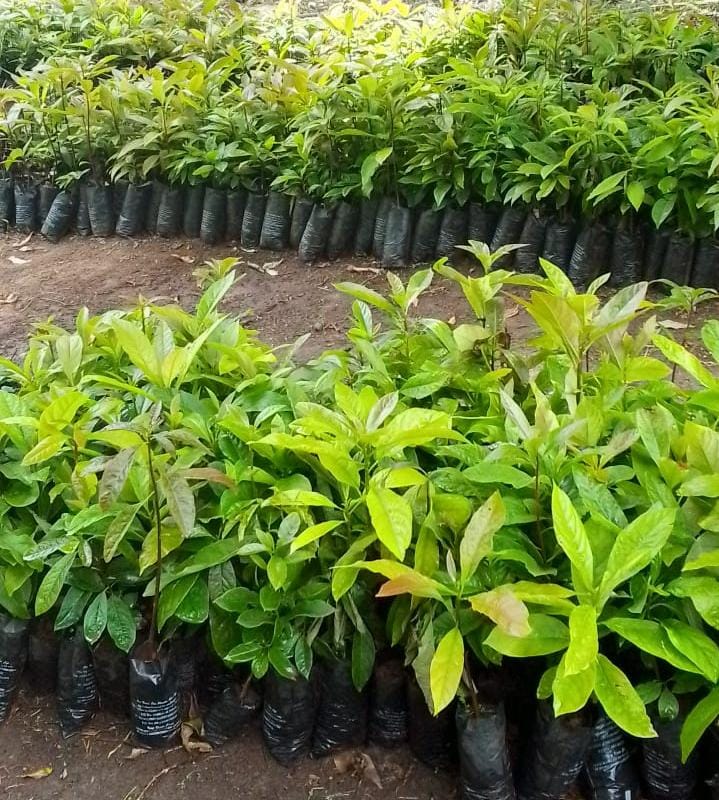
- Grafted seedlings distributed directly to farming households, prioritising smallholder families
- Basic orchard-care training on planting, watering, and pest management to improve survival and yield
- Follow-up visits from our field team to check on tree health in the first growing seasons
- A sustainable household income stream that reduces pressure on natural forest resources
4. Environmental Education
We work with schools, churches, and youth groups across the watershed to build a generation of conservation-minded leaders. Sessions combine classroom-style conservation awareness with hands-on tree planting and nursery visits, so young people don’t just hear about the lake’s importance; they take part in protecting it.
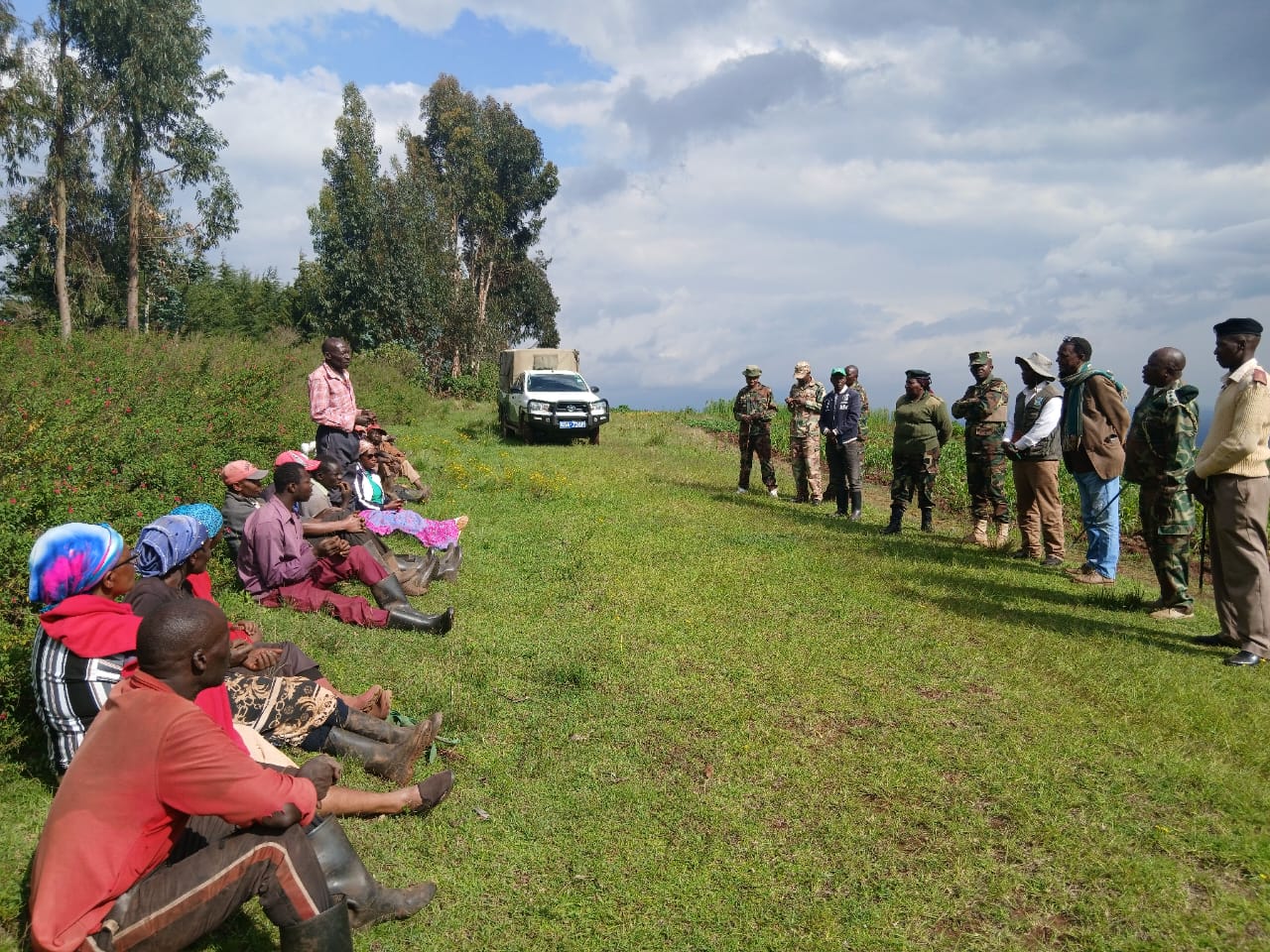
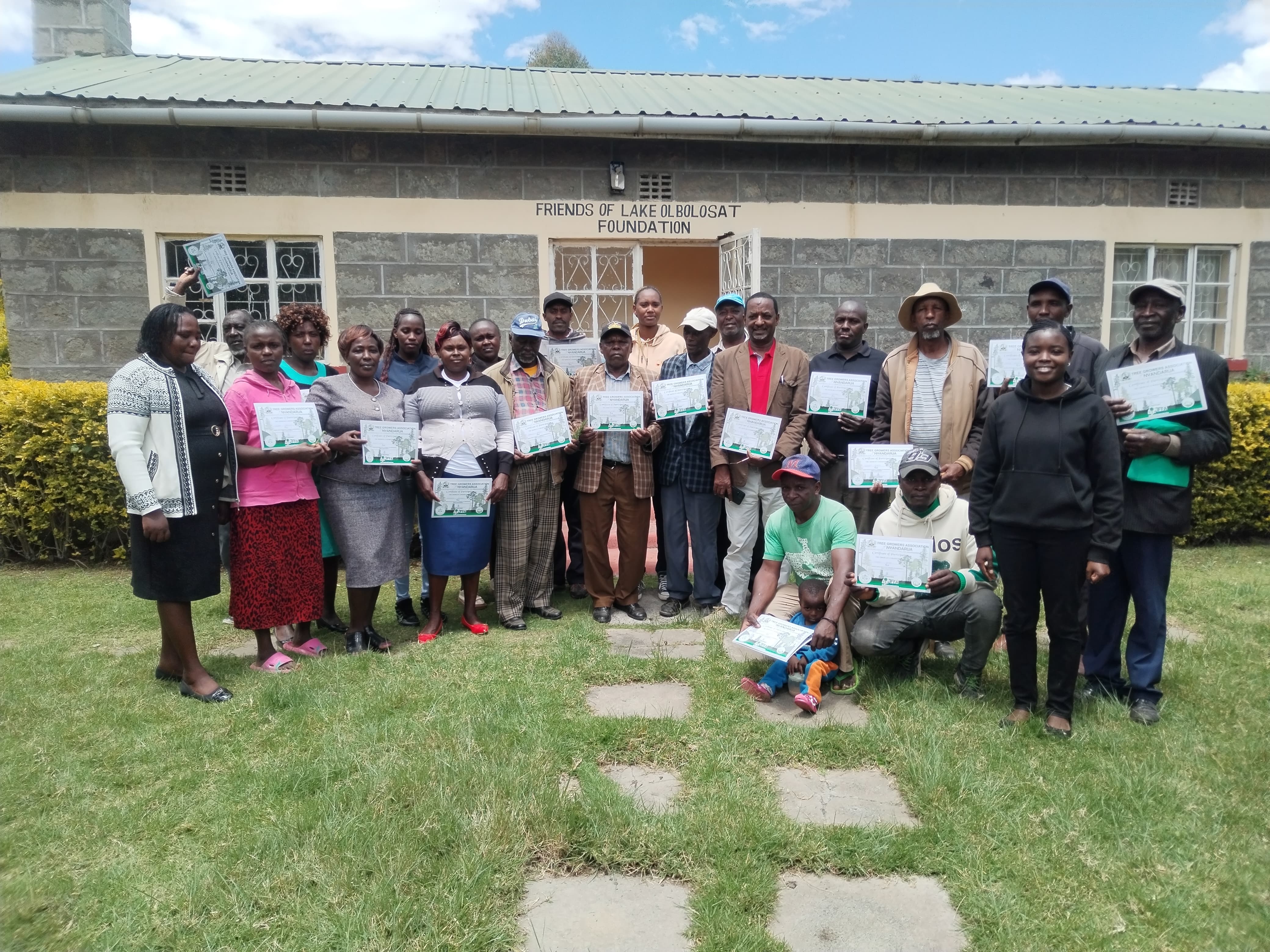
- Conservation awareness sessions delivered in partner schools and churches
- Youth-led tree planting days paired with visits to our community nurseries
- Ongoing partnerships with institutions, turning one-off events into lasting, year-on-year engagement
- Simple take-home actions for students and congregants to practise conservation at home
How We Work
Every programme above follows the same community-first process, built with the people who live on this land, not around them.
Community Engagement
We start by listening, working with local leaders, Community Forest Associations, and residents to understand priorities before any planning begins.
Planning & Partnership
We design each programme jointly with government bodies like KFS and Nyandarua County, plus technical partners, so efforts are coordinated, not duplicated.
Implementation
From nursery to planting site, our field teams and community members carry out the work: planting, training, and building local ownership at every step.
Monitoring & Care
Restoration doesn’t end at planting. We track survival rates, provide ongoing site protection, and adjust our approach based on what’s actually working.
Help Us Do Even More
Whether you’re a school, a farmer, a donor, or a fellow conservation organisation, there’s a place for you in this work.